
Discovering Rolling Valley’s Roots
Nestled in the heart of Pohick, Virginia, Rolling Valley is a neighborhood with a rich tapestry of history and warmth woven among its quiet tree-lined streets. For decades, this friendly enclave has been more than just a place to live—it’s a community where the echoes of the past blend seamlessly with the vibrant present. If you stroll down Delong Drive or meander along Greeley Boulevard, you’ll sense the spirit and stories that make Rolling Valley special.
How Rolling Valley Got Its Name
Many local residents wonder how Rolling Valley earned such a lyrical name. The answer lies in the gentle undulations of the landscape. Long before suburban homes appeared, this area was a patchwork of wide, rolling fields and quiet wooded groves. In the 1960s, as Fairfax County saw increasing suburban development, planners and early residents chose a name that perfectly captured the neighborhood’s gentle slopes and natural beauty. “Rolling Valley” was a nod both to the geography and to the peaceful rhythm of life they envisioned here.
From Farmland to Family Homes: Key Historical Milestones
Originally, this part of Pohick was dominated by farmland, much of it owned by local families whose names still appear in area records and, sometimes, on street signs and civic organizations. In the post-World War II era, as the population of Northern Virginia grew, developers began parceling the land for suburbs.
- *1960s and 1970s*: Rolling Valley was subdivided and its first homes were built. The neighborhood’s development followed the mid-century American suburban blueprint, with spacious lawns, robust trees, and community-centric design.
- *Establishment of Rolling Valley Elementary School*: Opened in 1968, Rolling Valley Elementary quickly became a cornerstone. Generations of children have walked or biked to its doors, and its PTA remains an engine of community spirit.
- *Creation of Pohick Regional Library*: Just a short drive away, this library has served as a gathering place for book lovers, students, and clubs since its opening in 1987.
The expansion of nearby Old Keene Mill Road brought commercial vitality to the area, making Rolling Valley a blend of residential tranquility and easy access to modern conveniences.
Neighborhood Landmarks and Local Treasures
Rolling Valley may not have grand monuments, but it is rich in landmarks treasured by those who call it home. A few highlights include:
- *Rolling Valley Park*: Set off Baxley Court, this park is a green oasis with walking trails and playgrounds. In the spring and fall, the laughter of children and chirping of birds fill the air.
- *Hidden Pond Nature Center*: While not technically within Rolling Valley’s boundaries, it is a nearby haven for nature lovers. Its walking trails and discovery center are favorite destinations for local families.
- *Historic Pohick Church*: A short drive south, this colonial-era church connects the neighborhood to the region’s earlier history. George Washington himself attended here, and its cemetery holds centuries of local memories.
The Streets That Tell Stories
Every street in Rolling Valley has its own character and, over the years, many have become synonymous with neighborly togetherness and heritage:
- *Delong Drive*: One of the original routes laid out when development began, known for its mature trees and well-tended homes.
- *Greeley Boulevard*: Named for the American newspaper editor and political figure Horace Greeley, this thoroughfare is the heart of the neighborhood.
- *Blythewood Lane and Red Maple Court*: These side streets offer quiet corners where residents hold block parties and annual yard sales—a Rolling Valley tradition.
- *Valley Forge Drive*: Echoing America’s revolutionary spirit in name, this street encapsulates the community’s pride in its heritage.
Evolution Over the Decades
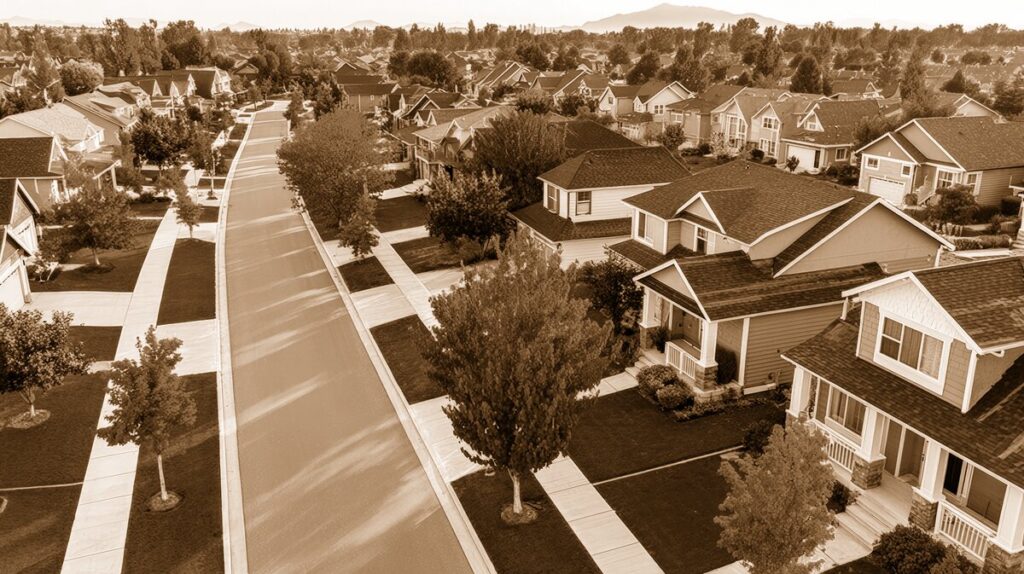
Rolling Valley has matured beautifully. The '70s and '80s brought new families, more community groups, and the planting of thousands of shade trees that now tower above homes and sidewalks. Front porches and back patios are alive with the sound of barbecues, laughter, and neighborhood gatherings.
In recent decades, Rolling Valley has welcomed new generations, with younger families moving in alongside retirees who’ve called these streets home for fifty years. Sidewalks, once busy with bicycling kids, now see morning joggers and evening dog walkers. The active Rolling Valley Civic Association fosters strong neighborhood ties, hosting seasonal events and advocating for community amenities that keep the area vibrant.
What Makes Rolling Valley Special Today
Despite the passage of time, Rolling Valley hasn’t lost its charm or sense of purpose. It’s common to see neighbors waving to each other on weekend mornings, and local events—from holiday light contests to park clean-ups—reflect a dedication to making this a wonderful place to live.
Some neighborhoods are defined by shopping districts or nightlife. Rolling Valley, instead, is defined by its connections—between people, between past and present, and between the land and those who love it. In every season, its streets radiate the warmth of home.
Celebrating Heritage, Embracing Tomorrow
Rolling Valley is a neighborhood where heritage is honored, and the future is welcomed with open arms. If you pause on a sunny afternoon near Rolling Valley Park or watch children racing down Greeley Boulevard, you’ll understand what draws families here year after year. This is a neighborhood built on memories, strengthened by community, and carried forward by generations proud to call Rolling Valley, Pohick their home.